Tide Talks
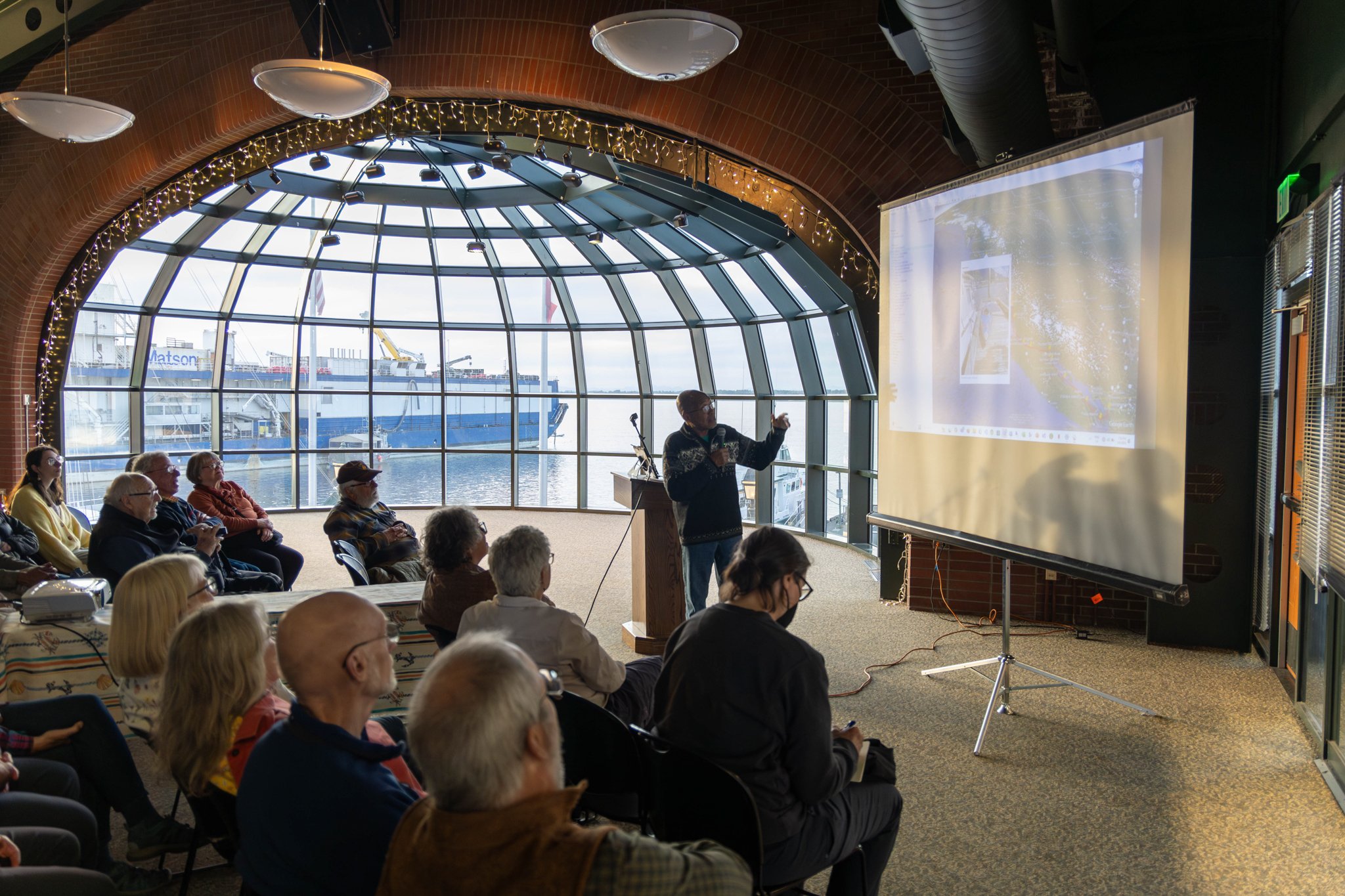
Join us for Tide Talks, a pay-what-you-can, in-person speaker series celebrating small boat recreation and the stories, science, and stewardship that surround it.
Held in our Wheelhouse, these community conversations explore topics like sea star wasting disease, racing to Alaska, and other adventures and issues connected to life on the water.
All ages are welcome. A hearing loop and live captions are available to support accessibility. Come learn, connect, and be part of a welcoming waterfront community.
Previous Topics
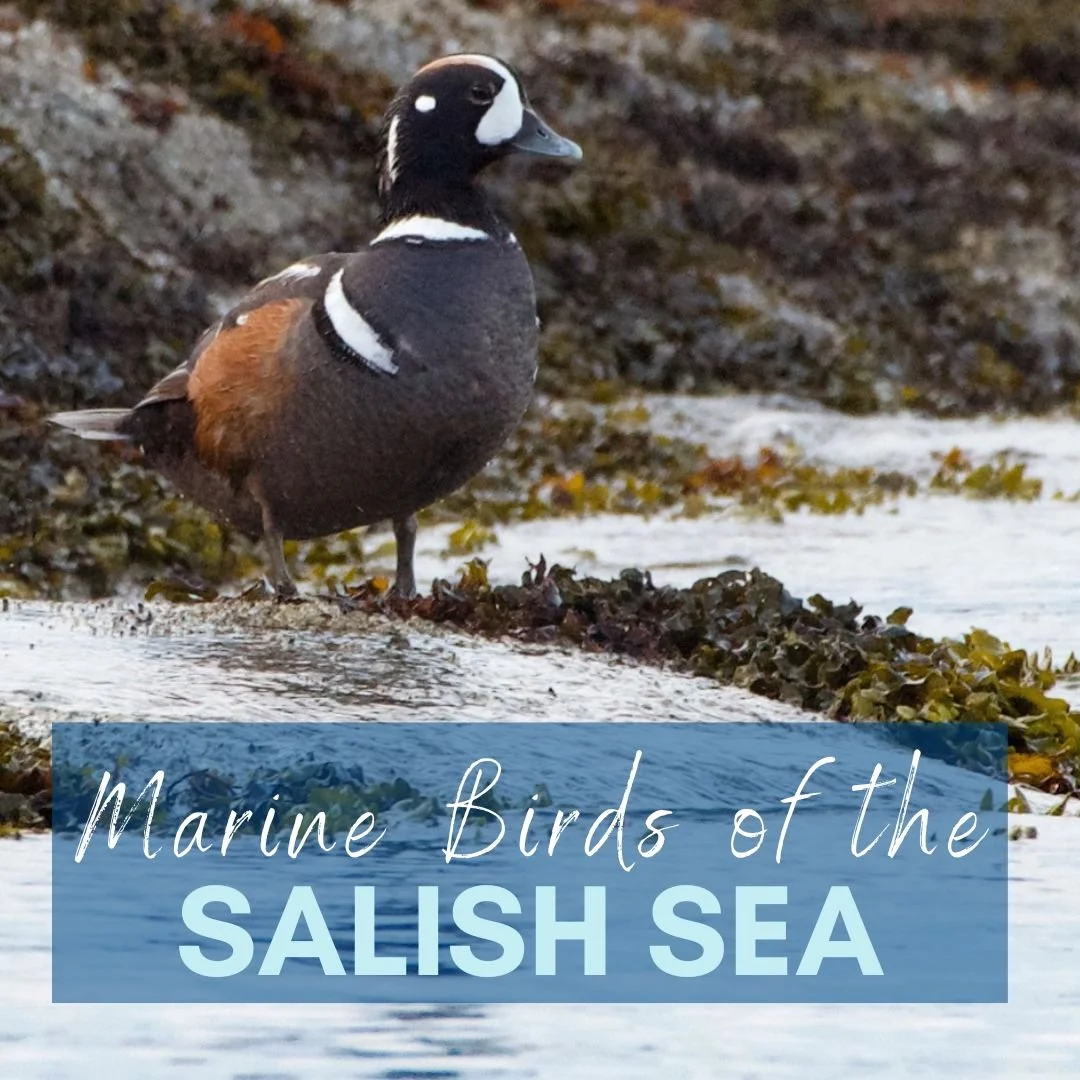
Marine Birds of the Salish Sea
This two-hour class explored seabird identification, focusing on the diving birds most commonly seen in the Salish Sea. Participants learned to recognize loons, grebes, cormorants, scoters, alcids, select gulls, and more, with clear comparisons between breeding and non-breeding plumage. The session also highlighted feeding, nesting, and wintering behaviors that shape how these birds use the Salish Sea year-round.
Pam Borso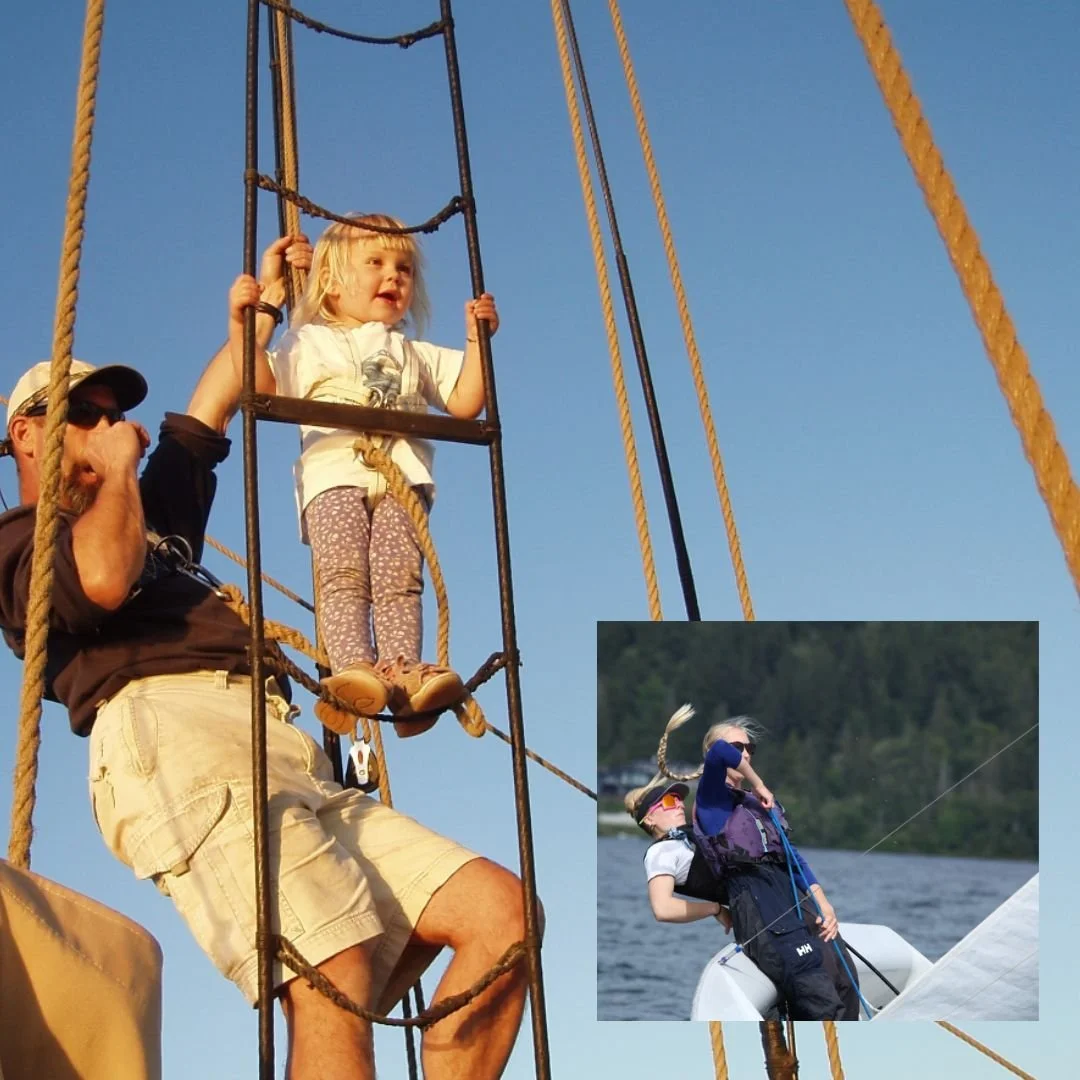
Coastal and Beach Restoration in Bellingham Bay and Beyond
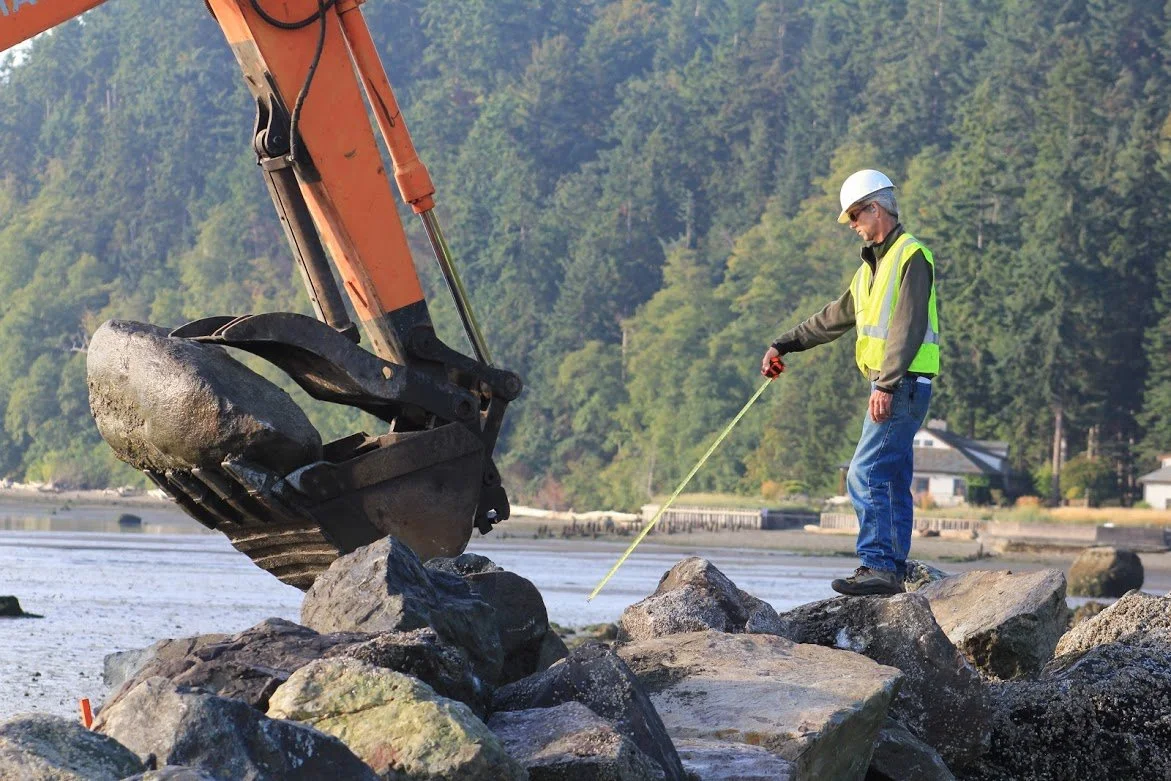
Explore how Bellingham Bay’s coastal ecosystems have changed since settlement and decades of restoration work around the bay. Early Puget Sound projects illustrated shared goals and design challenges, alongside the story of the former GP waterfront site. Striking before-and-after images showcased beloved waterfront parks—Little Squalicum Estuary Park, Waypoint Park, Boulevard Park, and Marine Park—and previewed plans for the future Salish Landing Park at the former landfill and RJ Haley wood treatment site.
Jim Johannassen
Lucy RitterBioluminescence of the Salish Sea
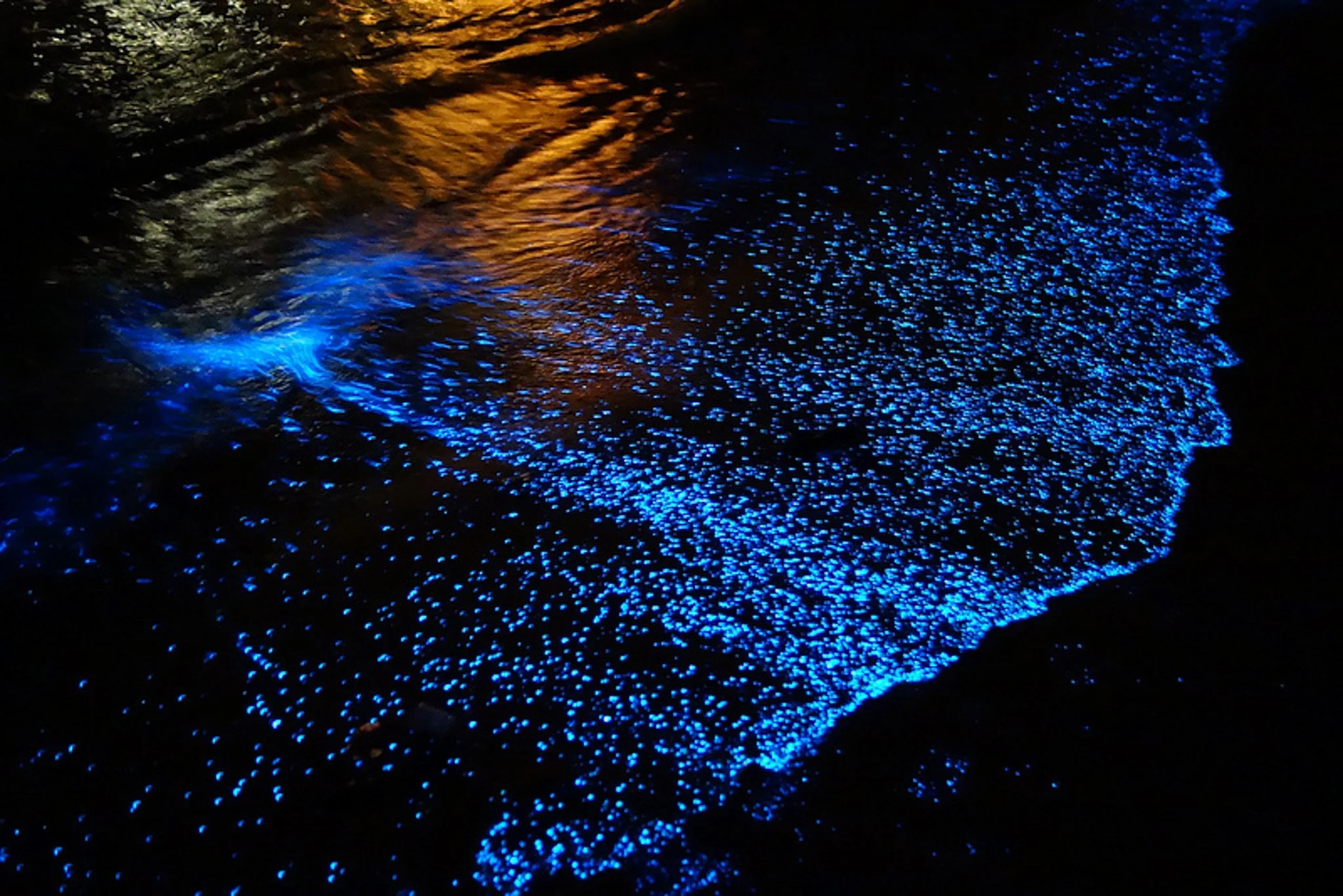
Bioluminescence, the production of light by a living organism, has been observed across a diverse range of species around the world. Marine bioluminescence in particular has a remarkably widespread distribution and is used by many different types of organisms, from microscopic plankton to deep-sea sharks and squid. This talk will served as a broad introduction to marine bioluminescence, with a focus on examples of bioluminescence found here in the Salish Sea.

Wild Woman : Sailing
Firsthand stories from CBC’s own Mary d’Arcy. Mary grew up in Port Townsend, WA, aboard a sail training boat. In her talk, she will share stories of growing up on an 84-foot schooner, sailing to the South Pacific, and how that led her to racing in high school and college. Now, as CBC’s sailing program coordinator, she is hoping to spread awareness of pathways into the sport and share the stoke around women’s racing.
Mary d'ArcyUsing and Understanding Digital Weather Forecasting
Many of us adventurers have relied on the National Weather Service's Marine Weather Reports on line or VHF marine radios for planning outdoors adventures. Considering that these forecasts may cover large areas such as the Northern Inland Waters, which covers most of the San Juan Islands, these forecasts may not be the most accurate for where you are or plan to be. Today's weather digital apps can provide more specific and accurate forecasts for the unique area in which you may be adventuring.
Mike ReedClyde FordBlack Jack: An African American Mariner Cruising the Inside Passage from Seattle to Alaska
Ford will discuss cruising the Inside Passage as an African American mariner for the past 35 years. Using a Google Earth 3D presentation, he will show the routes he has taken, the hazards he has faced, and the beauty of nature he has encountered. Ford will also briefly discuss the unique history of Black mariners, who, in the nineteenth century, were known as “Black Jacks.”


SLAM: Sail Like A Mother
The story of grand adventure as three moms deciding to compete in the Race to Alaska. We’ll dive into our whole journey—from the moment we said “yes” to the race, through the intense planning and preparation, to the challenges and triumphs of actually sailing the route, and finally what we learned and reflected on afterward. It’s a candid look at courage, teamwork, and what happens when you push beyond your comfort zone on and off the water.
Melissa Roberts and Katie GautHave sea stars recovered from disease-driven declines? (and how you can contribute to monitoring)
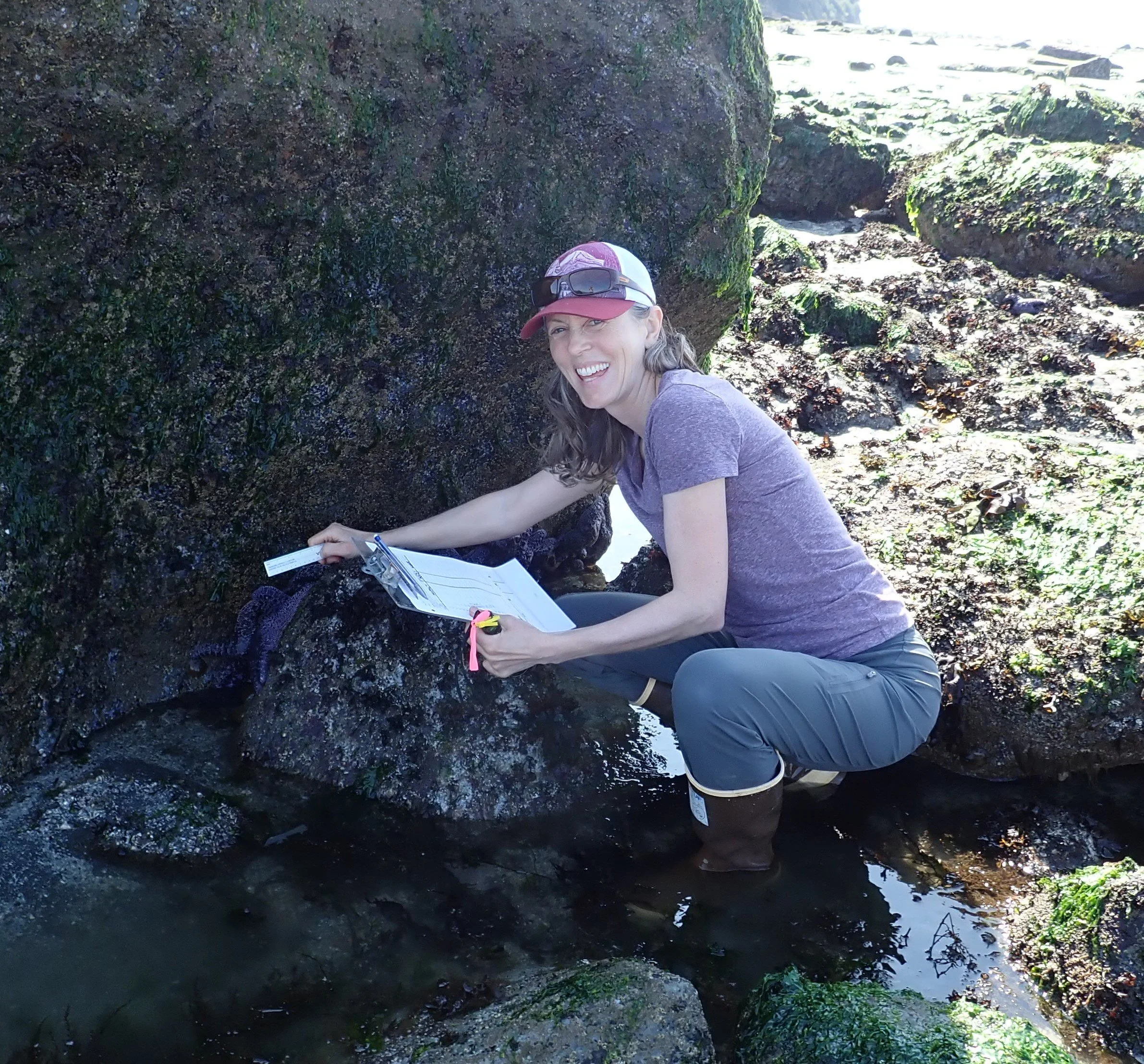
Explore the past, present, and future of ochre sea stars in our local tidepools, focusing on the long-running impacts of sea star wasting disease. Hearing latest research on large-scale and local patterns of decline and recovery along the West Coast, with a spotlight on what’s happening in Bellingham Bay. Also highlighted how community members can support real scientific research by learning to monitor and report sea star health through seastarwasting.org, helping scientists better understand and track this keystone species’ recovery.
Melissa MinerKirsten McDade and Zoe FryThe State of Bellingham Bay
Kirsten McDade (RE-Sources/Northsound Water Keeper) and Zoe Fry (Re-Sources/Program Coordinator) provided a historical background and perspective on Whatcom County’s impaired watersheds. We will cover Bellingham’s 12 Model Toxic Cleanup Act (MTCA) sites (aka Bellingham’s Dirty Dozen), and their various stages of cleanup. We will also highlight Re-Source’s volunteer run stormwater monitoring program, and cover how our group of volunteers are tracking and reporting pollution in Bellingham Bay.

Blind Match Racing
Blind sailor and advocate Kris Scheppe shared his journey of breaking barriers in sailing, from competitive racing to founding Blind Sailing Unlimited. He talked about how blind sailing works, how accessible gear and inclusive programs make it possible, and why adaptive sailing matters. The evening invited the community to learn, connect, and support CBC’s growing commitment to making sailing welcoming for all.
Kris Scheppe